How to Protect Your Deposit When Buying New Construction in South Florida? Protecting Your Deposit in South Florida New Construction
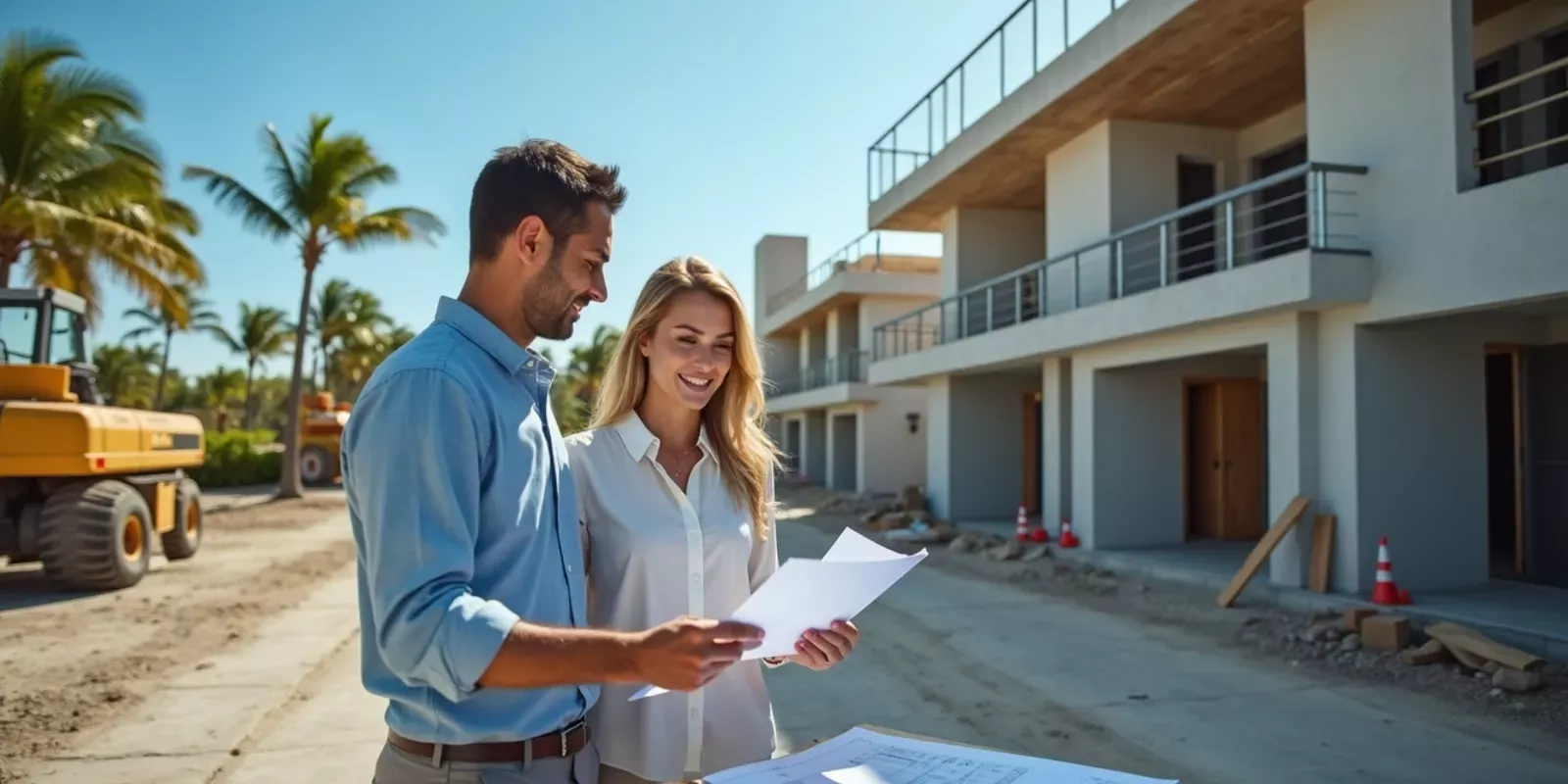
Deposits are significant in pre-construction purchases. Buyers should ensure funds are held securely and review contract language carefully to understand how their money is protected.
Buying new construction in South Florida can be an exciting venture. However, it comes with risks, especially regarding your deposit. The deposit is often a significant percentage of the total purchase price, and ensuring its safety is crucial. In this article, we will explore how to protect your deposit when buying new construction, share practical examples, and provide insights from real experiences.
Deposits serve as a commitment to purchase a property. Typically, they range from 10% to 20% of the home’s price. In South Florida, builders might require a deposit to secure a unit in a desirable location. But where does that money go? Understanding the flow of these funds is essential for buyers.
When you pay a deposit, it should ideally be held in an escrow account. This account protects your money until certain conditions are met, such as the completion of the home or specific construction milestones.
"Always ask where your deposit is going. A reputable builder will have clear answers."
"A little homework up front can save you a lot of headaches later."
A couple in Coral Gables decided to purchase a unit in a newly constructed condo complex. They paid a 15% deposit, which was held in escrow. The developer faced delays due to permitting issues, but because the couple understood their contract terms, they could withdraw their deposit without penalty after six months of waiting.
A family looking for a new home chose a national builder known for its large developments. They made a 10% deposit and found that the builder’s contract included a clause allowing the builder to forfeit their deposit if they didn’t close on time due to financing issues. Unfortunately, they missed their closing date by one day and lost $20,000 as a result.
"Don't just focus on the excitement of buying; take time to understand potential pitfalls."
An investor bought multiple units in Miami with a plan to rent them out once completed. He placed deposits on each unit, totaling over $250,000. When one of the developments went bankrupt mid-construction, he learned about state laws that allowed him to recover some of his deposit through legal channels. This experience taught him the importance of due diligence before investing large sums.
If your builder goes bankrupt, you may have legal options to recover your deposit depending on local laws and whether funds were placed in escrow.
Yes, negotiating the deposit amount is possible. Some builders may be willing to lower it or offer different payment structures.
Ask for documentation confirming that your deposit is held in escrow and check who manages the account.
The most common reasons include not closing on time due to financing issues or backing out of the sale without proper justification.
Yes, Florida has laws regarding deposits and escrow accounts designed to protect buyers in real estate transactions.
If you're navigating the complexities of purchasing new construction in South Florida, you need guidance you can trust. Hector Zapata has extensive experience in real estate transactions and understands how vital it is to protect your interests throughout the process. Don't hesitate to reach out for personalized advice tailored to your situation.

Welcome to Your South Florida Real Estate Advantage
Hector Zapata is a South Florida real estate advisor with ONE Sotheby’s International Realty, specializing in new construction, golf communities in South Florida, and divorce real estate. Based in Fort Lauderdale, he serves discerning buyers and sellers throughout Broward County and surrounding South Florida markets.
With a background in engineering, Hector brings a structured and analytical approach to real estate. Every pricing recommendation, negotiation strategy, and property evaluation is grounded in data and careful preparation. His clients value clarity, discretion, and a process that replaces uncertainty with informed decision-making.
His work is centered around three areas of focus: New Construction, South Florida Golf Communities, and Divorce Real Estate
A luxury homeowner looking to sell with maximum return,
An international buyer or investor exploring South Florida's vibrant opportunities,
A family relocating for a new chapter,
Or navigating the emotional journey of divorce or transition...
...I offer a level of service that goes beyond real estate. I serve as your trusted advocate, confidant, and expert guide.
Honesty. Courage. Precision. Respect. Discipline. These values define how I work, how I treat others, and how I achieve results.
Even though I no longer compete professionally, I continue to share my passion for golf by volunteering with The First Tee program, where I teach Veterans and children the values and joy of the game.
Whether you’re looking to buy, sell, or invest in South Florida, I invite you to connect with me. Let’s discuss your goals, craft a strategy, and make your real estate journey a winning one.
What Happens If a Developer Delays or Doesn’t Deliver in South Florida? Understanding Developer Delays in South Florida Real Estate
In South Florida's real estate market, delays in project completion can happen due to various factors. Understanding your contract's terms, including timelines and penalties, is crucial for managing expectations and ensuring adequate protection as a buyer.
Why You Should Never Buy Pre-Construction Without Representation in South Florida? The Importance of Representation in Pre-Construction Buying
Buying pre-construction property in South Florida can be thrilling but risky without proper representation. Experienced agents navigate complex contracts and local market nuances, ensuring buyers avoid pitfalls and make informed decisions. Protect your investment!
What to ask about emergency power standards before buying luxury real estate in Fort Lauderdale? Emergency Power Standards in Luxury Real Estate
When buying luxury real estate in Fort Lauderdale, understanding emergency power standards is crucial. This article explores essential questions to ask about backup systems, maintenance, and safety, ensuring you make informed decisions for your investment.