How to Evaluate ROI on a South Florida New Construction Property? Evaluating ROI on South Florida New Construction Properties
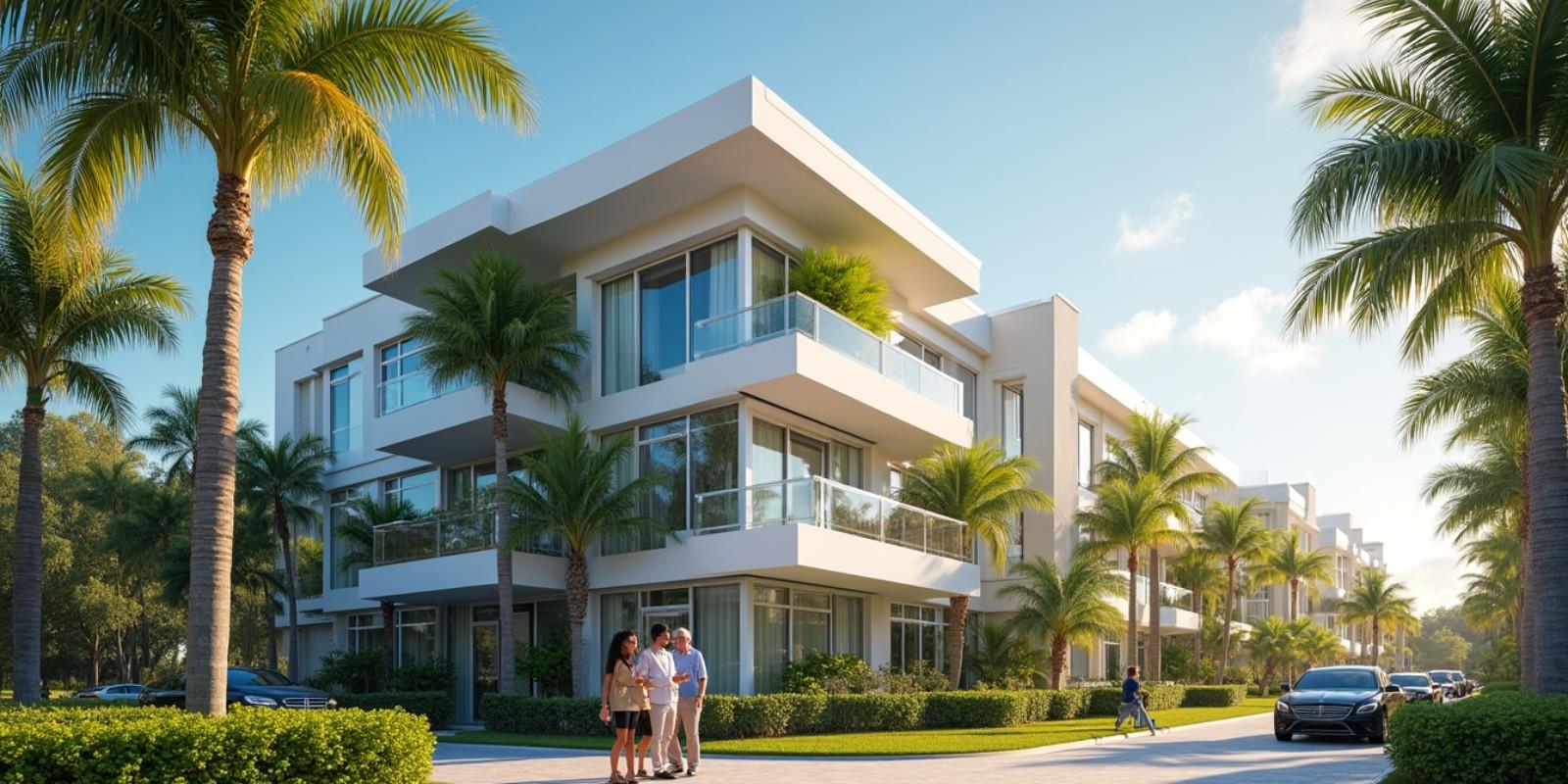
Return on investment (ROI) goes beyond purchase price. Buyers must consider rental income, appreciation, expenses, and long-term market trends to evaluate true performance when investing in new construction properties in South Florida.
Investing in new construction properties in South Florida can be an enticing opportunity. The area has seen a surge in development, attracting buyers and investors alike. To ensure your investment is sound, it’s important to evaluate ROI effectively. This involves not just looking at the initial purchase price but also considering other critical factors.
Rental income is often the first figure people think of. But remember, this is just one piece of the puzzle. You'll need to account for potential appreciation of the property, ongoing expenses such as maintenance and taxes, and the ever-shifting real estate market dynamics in South Florida. Here, I’ll walk you through how to effectively evaluate ROI on new construction properties.
Last year, I worked with a client interested in a new oceanfront condo project in Miami Beach. The purchase price was $1,500,000. They projected monthly rental income at around $8,500 based on current rental rates in the area.
To calculate ROI, we took the annual rental income ($8,500 x 12 = $102,000) and subtracted estimated annual expenses of about $46,600 for management fees and maintenance costs. This left a net income of $55,600.
The ROI formula here is: Net Income / Purchase Price x 100. This resulted in an ROI of 3.7%, which is decent but not exceptional. We also discussed potential property appreciation; if the property increased by 3.5% annually, that would add another layer of value.
A different client purchased a new single-family home for $800,000 in Fort Lauderdale. They planned to rent it out for $4,200 per month.
Calculating ROI required a similar approach: annual rental income ($4,200 x 12 = $50,4000) minus expenses of approximately $24,000 gave them a net income of $26,400.
The ROI calculated was 3.3%. Yet what made this investment stand out was the surrounding community's growth; new schools and shopping centers were being built nearby. That could mean higher appreciation over time.
A client focused on a townhouse project priced at $350,000 with expected monthly rents of $2,800. After running the numbers, annual income ($33,600) against estimated costs ($10,550), they found their net income to be $23,050.
This yielded an ROI of about 6.57%. What was noteworthy here was the area’s projected growth; townhouses were becoming increasingly desirable as families moved to Pembroke Pines seeking more space at reasonable prices.
Are you considering investing? Take time to evaluate all aspects before making your decision.
Your investment should reflect both current and future values—don't skip the research!
Consulting with local experts can provide valuable insights that data alone may not capture.
You should include property management fees, maintenance costs, insurance premiums, taxes, and any homeowner association fees applicable.
Appreciation can significantly boost your overall return. If your property value increases over time, it not only enhances your equity but also contributes to your overall ROI when sold.
A good ROI varies by market and investment strategy but generally ranges from 6% to 12% for rental properties. However, higher returns are often associated with higher risks.
This depends on your goals. New constructions often require less immediate maintenance and can attract premium rents due to modern amenities but may come at a higher purchase price.
You can enhance rental income by upgrading features like kitchens and bathrooms or adding amenities such as pools or fitness areas to attract higher-paying tenants.
If you’re looking for expert guidance on evaluating ROI for new construction properties in South Florida, I'm here to help you navigate the complexities of real estate investments. Feel free to reach out anytime!
Hector Zapata, a trusted expert in South Florida real estate investments, can provide tailored advice suited to your unique circumstances and goals. Get in touch today!

Welcome to Your South Florida Real Estate Advantage
Hector Zapata is a South Florida real estate advisor with ONE Sotheby’s International Realty, specializing in new construction, golf communities in South Florida, and divorce real estate. Based in Fort Lauderdale, he serves discerning buyers and sellers throughout Broward County and surrounding South Florida markets.
With a background in engineering, Hector brings a structured and analytical approach to real estate. Every pricing recommendation, negotiation strategy, and property evaluation is grounded in data and careful preparation. His clients value clarity, discretion, and a process that replaces uncertainty with informed decision-making.
His work is centered around three areas of focus: New Construction, South Florida Golf Communities, and Divorce Real Estate
A luxury homeowner looking to sell with maximum return,
An international buyer or investor exploring South Florida's vibrant opportunities,
A family relocating for a new chapter,
Or navigating the emotional journey of divorce or transition...
...I offer a level of service that goes beyond real estate. I serve as your trusted advocate, confidant, and expert guide.
Honesty. Courage. Precision. Respect. Discipline. These values define how I work, how I treat others, and how I achieve results.
Even though I no longer compete professionally, I continue to share my passion for golf by volunteering with The First Tee program, where I teach Veterans and children the values and joy of the game.
Whether you’re looking to buy, sell, or invest in South Florida, I invite you to connect with me. Let’s discuss your goals, craft a strategy, and make your real estate journey a winning one.
Wat Are The Tax Advantages of Investing in Florida, U.S. Real Estate? Tax Advantages of Florida Real Estate Investing
Investing in Florida real estate offers significant tax advantages, including depreciation, expense deductions, and the potential for 1031 exchanges. Understanding these benefits can enhance your financial strategy and maximize returns on your investments.
Short-Term vs Long-Term Rentals: What Works Best with New Construction in South Florida? Short-Term vs Long-Term Rentals in South Florida
Not all communities allow short-term rentals, so investors in South Florida must navigate HOA rules and local regulations. This article explores the pros and cons of short-term versus long-term rentals in new construction, providing case studies and insights.
How to Build a Real Estate Portfolio with New Construction Properties in South Florida? Building Your Real Estate Portfolio with New Construction
Investing in new construction properties in South Florida offers unique opportunities for building a real estate portfolio. This article explores key benefits, financing options, and real-life case studies to help investors make informed decisions in this vibrant market.