How to Evaluate a Developer Before You Buy in South Florida? Evaluating South Florida Developers: Key Considerations
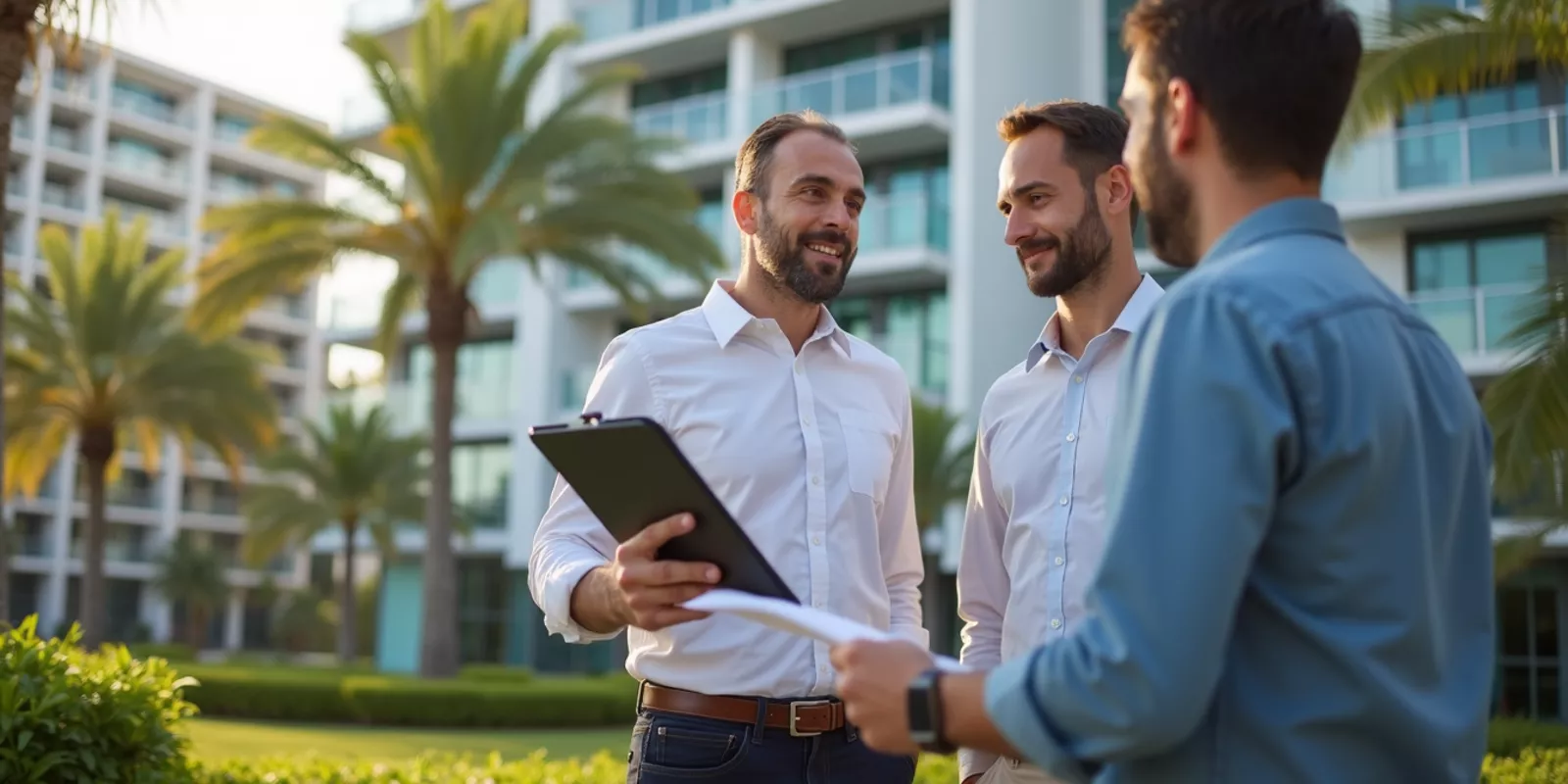
A developer’s track record, financial strength, and history of delivering projects on time are critical factors. Buyers should research thoroughly before selecting a project.
Choosing the right developer in South Florida can feel overwhelming. The market is saturated with options, and not all developers are created equal. Some deliver on promises, while others may leave buyers feeling frustrated and disappointed. A careful evaluation can save you from potential headaches down the road. It's essential to gather information on their past projects, client reviews, and financial stability. This article outlines practical steps to help you assess a developer effectively.
When evaluating a developer, there are several key factors to take into account. Here’s what to look for:
A recent luxury condo development in Miami Beach serves as a prime example of evaluating a developer's effectiveness. The firm behind it had a solid reputation, showcasing previous projects that reflected quality craftsmanship. However, some residents reported delays in finishing common areas. While the units themselves were beautiful, the shared spaces were still incomplete months after residents moved in.
If you're considering buying into a luxury condo, don’t just focus on aesthetics; ask current residents about their experience.
An affordable housing project in Fort Lauderdale was initiated by a well-known nonprofit developer. They had a proven track record of completing similar initiatives on time and within budget. This particular project faced some financial hurdles due to rising material costs, but it managed to deliver homes within a reasonable timeframe thanks to its financial reserves and transparent communication with stakeholders.
Transparency is key when it comes to affordable housing projects; ask how they handle unforeseen costs before committing.
A mixed-use development in West Palm Beach aimed at blending residential living with retail spaces experienced significant setbacks due to zoning issues. The developer was open about the challenges but communicated poorly during the process, leading to frustration among prospective buyers. Eventually, they resolved the issues and delivered a well-received project, but trust was eroded along the way.
If communication falters during negotiations, it may be an indicator of future problems; trust your instincts.
Inquire about their experience with similar projects, timelines for completion, and how they manage budgets. Additionally, ask about their process for handling delays or issues.
You can search online platforms like Google Reviews, Yelp, or specialized real estate forums where clients share experiences with different developers.
Request copies of their licenses, insurance policies, and proof of past project completions such as certificates of occupancy.
You can request financial statements or proof of funding for ongoing projects. Consulting with a financial advisor might also help in this area.
Be cautious of developers who refuse to share information about past projects or those with numerous complaints filed against them. A lack of transparency is often concerning.
As someone deeply entrenched in the real estate market in South Florida, I understand the nuances involved in evaluating developers. It’s crucial to take your time and conduct thorough research before making any decisions. If you have any questions or need further guidance on navigating this landscape, feel free to reach out.

Welcome to Your South Florida Real Estate Advantage
Hector Zapata is a South Florida real estate advisor with ONE Sotheby’s International Realty, specializing in new construction, golf communities in South Florida, and divorce real estate. Based in Fort Lauderdale, he serves discerning buyers and sellers throughout Broward County and surrounding South Florida markets.
With a background in engineering, Hector brings a structured and analytical approach to real estate. Every pricing recommendation, negotiation strategy, and property evaluation is grounded in data and careful preparation. His clients value clarity, discretion, and a process that replaces uncertainty with informed decision-making.
His work is centered around three areas of focus: New Construction, South Florida Golf Communities, and Divorce Real Estate
A luxury homeowner looking to sell with maximum return,
An international buyer or investor exploring South Florida's vibrant opportunities,
A family relocating for a new chapter,
Or navigating the emotional journey of divorce or transition...
...I offer a level of service that goes beyond real estate. I serve as your trusted advocate, confidant, and expert guide.
Honesty. Courage. Precision. Respect. Discipline. These values define how I work, how I treat others, and how I achieve results.
Even though I no longer compete professionally, I continue to share my passion for golf by volunteering with The First Tee program, where I teach Veterans and children the values and joy of the game.
Whether you’re looking to buy, sell, or invest in South Florida, I invite you to connect with me. Let’s discuss your goals, craft a strategy, and make your real estate journey a winning one.
What to ask about emergency power standards before buying luxury real estate in Fort Lauderdale? Emergency Power Standards in Luxury Real Estate
When buying luxury real estate in Fort Lauderdale, understanding emergency power standards is crucial. This article explores essential questions to ask about backup systems, maintenance, and safety, ensuring you make informed decisions for your investment.
What Are the Biggest Risks When Buying Pre-Construction in South Florida? Risks of Buying Pre-Construction in South Florida
Buying pre-construction real estate in South Florida can offer significant benefits but also carries risks such as delays, market fluctuations, and complex contracts. Understanding these challenges helps buyers make informed decisions and navigate the process effectively.
Why You Should Never Buy Pre-Construction Without Representation in South Florida? The Importance of Representation in Pre-Construction Buying
Buying pre-construction property in South Florida can be thrilling but risky without proper representation. Experienced agents navigate complex contracts and local market nuances, ensuring buyers avoid pitfalls and make informed decisions. Protect your investment!