Golf Course Easements & Stray Golf Ball Liability in Florida Real Estate (2026 Guide)
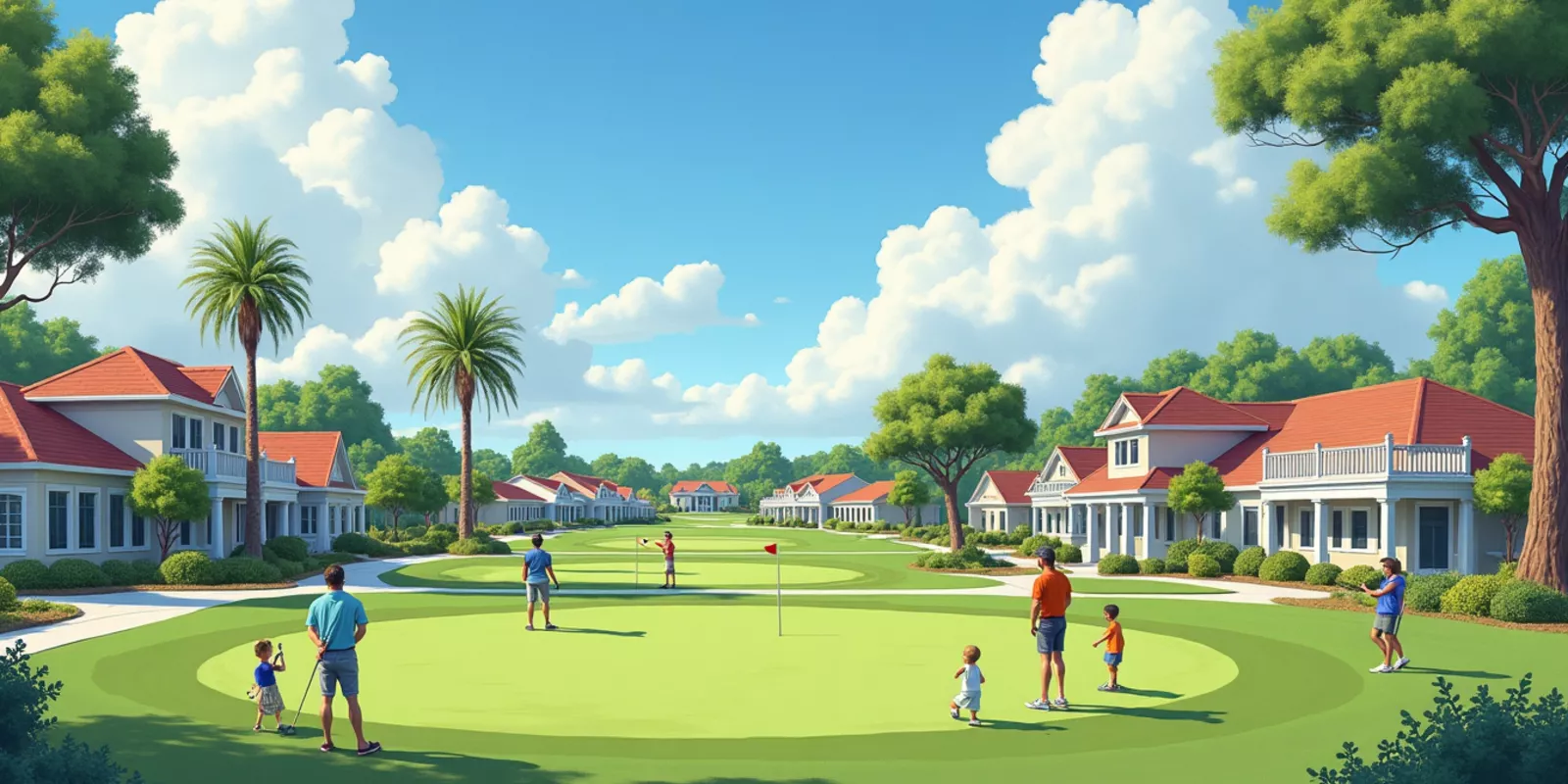
Living alongside a premier golf course in South Florida represents the pinnacle of luxury, offering sweeping fairway views, lush green landscapes, and immediate access to world-class amenities. However, as a Global Real Estate Advisor with ONE Sotheby’s International Realty, I frequently advise buyers and sellers that luxury golf course living comes with unique legal and physical considerations—most notably, golf course easements and stray golf ball liability under Florida real estate law.
When purchasing or selling a luxury golf front property in Palm Beach, Broward, or Miami-Dade, understanding property rights, covenants, and liability thresholds is essential for protecting your investment. In this guide, I will detail how Florida law governs golf course access easements, who bears financial responsibility for property damage or personal injury from errant shots, and key due diligence steps to take before closing.
Table of Contents
When a residential golf community is developed in Florida, specific legal instruments are recorded in the county public records to establish the relationship between private homes and the surrounding golf course. The most critical of these is the Golf Course Easement (often titled a "Golf Ball Easement" or "Retrieval Easement").
These recorded covenants generally grant two distinct legal rights:
Before purchasing a golf course home, reviewing these encumbrances within the Covenants, Conditions, and Restrictions (CC&Rs) ensures you understand exactly how much access golfers legally possess near your boundary line.
One of the most common questions luxury buyers ask me is: If a stray golf ball shatters a impact-resistant window or damages a outdoor pool enclosure, who is legally responsible for the cost?
Under Florida common law, liability is established through negligence, but golf course communities operate under specialized legal precedents:
Florida courts frequently apply the legal principle of Assumption of Risk to homeowners who choose to purchase property directly adjacent to an active golf course. By buying a home along a fairway or green, the buyer implicitly accepts the inherent, foreseeable risks associated with living next to a golf operation.
If a resident, guest, or contractor is struck by an errant golf ball on the private patio or yard, recovering damages in court requires proving extraordinary circumstances—such as a golfer acting with extreme disregard or a course layout that inherently exposes residents to unreasonable harm beyond standard play expectations.
To help navigate how Florida real estate law balances rights and liabilities in golf communities, review the structured comparison below:
| Party Involved | Legal Scope & Responsibilities | Liability Level for Errant Balls |
|---|---|---|
| Homeowner | Owns private parcel subject to recorded golf easements and community CC&Rs. | Primary Financial Burden: Responsible for structural repairs and protective retrofits under assumption of risk principles. |
| Golfer / Player | Enjoys course play and limited retrieval rights on unimproved property edges. | Low (Except for Negligence): Only liable if damage results from intentional, reckless, or malicious actions. |
| Golf Course Operator | Maintains course layout, safety netting, tee positions, and club regulations. | Conditional: Liable only if course design flaws or unaddressed safety hazards exceed normal operational expectations. |
My Expert Advisor Tip: Before making an offer on a golf course property in South Florida, never evaluate the view during non-playing hours alone. Request a specialized title review focusing on recorded golf ball easements and inspect the specific hole alignment. Homes situated 150 to 250 yards down the right side of a fairway or directly behind a dogleg tee box face significantly higher ball volume. Investing in shatter-resistant impact glass, specialized hurricane netting, or mature landscaping can safeguard your residence and preserve your long-term equity.
If your deed or community CC&Rs includes a recorded retrieval easement, golfers are allowed to briefly step onto unimproved outdoor land on foot to recover a ball. However, they are strictly prohibited from driving golf carts onto private residential property, entering enclosed structures, climbing onto screened lanais, or causing physical damage.
Yes. Architectural Review Committees (ARC) in luxury golf communities strictly regulate visible exterior modifications. While impact-rated glass is universally encouraged and built into modern codes, high netting or non-conforming fencing requires formal ARC approval to ensure visual consistency across the neighborhood.
As your Global Real Estate Advisor, I conduct thorough site evaluations, examine historical HOA disclosures, review recorded easements, and partner with experienced title attorneys. This comprehensive diligence guarantees that you enter your luxury acquisition with complete clarity on legal rights and physical protections.
Acquiring or selling a luxury estate in South Florida's prestigious golf course communities requires refined expertise, thorough legal oversight, and hyper-local market intelligence. As your Global Real Estate Advisor with ONE Sotheby’s International Realty, I am committed to delivering an elevated experience tailored entirely to your financial and lifestyle objectives.
Planning to buy or sell a luxury golf community home in South Florida? Contact me today to schedule a private advisory consultation.
Héctor Zapata
Global Real Estate Advisor | ONE Sotheby’s International Realty
Questions? Chat with me on WhatsApp!

Welcome to Your South Florida Real Estate Advantage
Hector Zapata is a South Florida real estate advisor with ONE Sotheby’s International Realty, specializing in new construction, golf communities in South Florida, and divorce real estate. Based in Fort Lauderdale, he serves discerning buyers and sellers throughout Broward County and surrounding South Florida markets.
With a background in engineering, Hector brings a structured and analytical approach to real estate. Every pricing recommendation, negotiation strategy, and property evaluation is grounded in data and careful preparation. His clients value clarity, discretion, and a process that replaces uncertainty with informed decision-making.
His work is centered around three areas of focus: New Construction, South Florida Golf Communities, and Divorce Real Estate
A luxury homeowner looking to sell with maximum return,
An international buyer or investor exploring South Florida's vibrant opportunities,
A family relocating for a new chapter,
Or navigating the emotional journey of divorce or transition...
...I offer a level of service that goes beyond real estate. I serve as your trusted advocate, confidant, and expert guide.
Honesty. Courage. Precision. Respect. Discipline. These values define how I work, how I treat others, and how I achieve results.
Even though I no longer compete professionally, I continue to share my passion for golf by volunteering with The First Tee program, where I teach Veterans and children the values and joy of the game.
Whether you’re looking to buy, sell, or invest in South Florida, I invite you to connect with me. Let’s discuss your goals, craft a strategy, and make your real estate journey a winning one.
Miami or Palm Beach: how to choose around a building culture that suits full-time life in South Florida? Miami vs. Palm Beach: Choosing Your Ideal Lifestyle
Choosing between Miami and Palm Beach for full-time living goes beyond aesthetics; it’s about culture. Miami offers vibrant energy and diversity, while Palm Beach provides tranquility and elegance. Understanding these differences is key to finding the right fit for your lifestyle.
Differences Between Commercial and Residential Rules in Mixed-Use High-Rises
Understanding the differences between commercial and residential rules in mixed-use high-rises is essential for effective management and harmonious living. This article explores zoning regulations, tenant rights, and maintenance responsibilities, offering practical insights and real-world examples.
Best South Florida Golf Course Communities: World-Class Dining & Wellness
Exclusive country clubs offer a blend of luxurious culinary experiences, rejuvenating spa treatments, and state-of-the-art wellness facilities. Members can enjoy fine dining, casual eateries, and a range of fitness options, enhancing both lifestyle and community.