Developer Structural Defect Responsibilities Under Florida Law: A Guide for New Construction Buyers

Hector Zapata
Last update: 2026-08-06
Hector Zapata
Last update: 2026-08-06
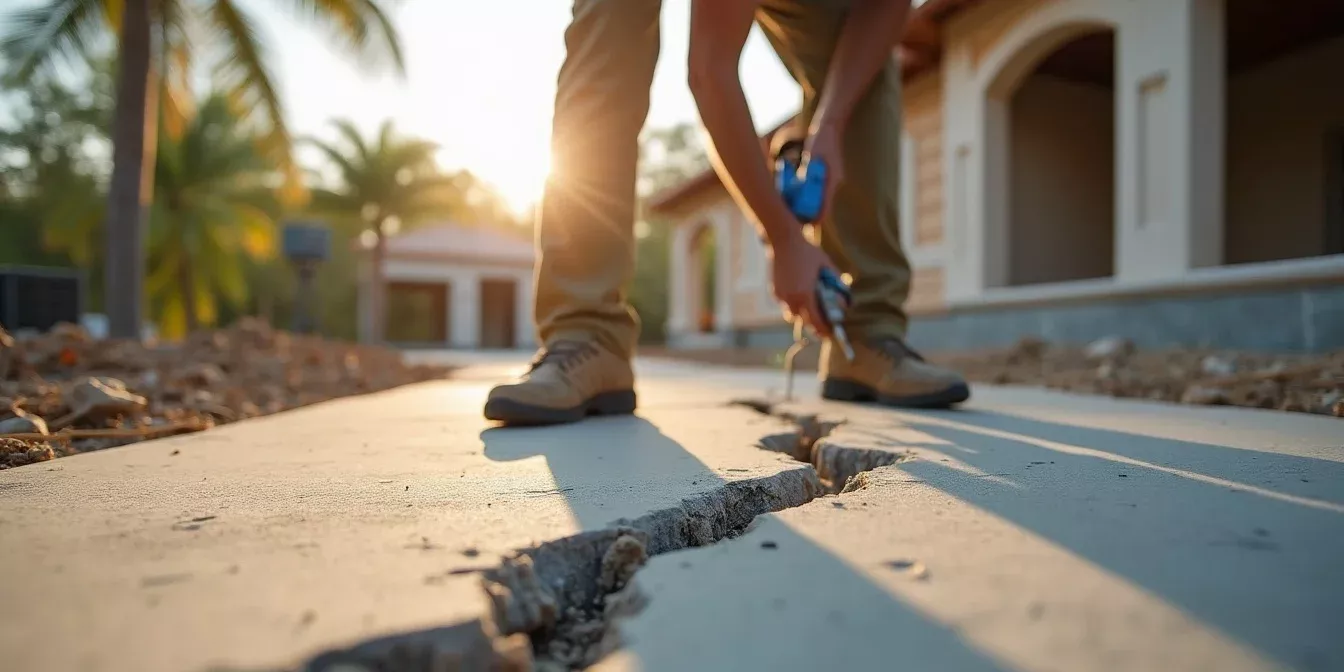
Investing in South Florida’s pre-construction and brand-new luxury developments offers unmatched architectural design, state-of-the-art amenities, and pristine coastal living. However, navigating high-end real estate acquisitions requires an analytical eye for long-term structural integrity and legal protections. As a Global Real Estate Advisor with ONE Sotheby’s International Realty, I guide high-net-worth buyers through every detail of purchasing pre-construction and newly built residences. Understanding developer structural defect responsibilities under Florida law is vital to protecting your real property assets and ensuring seamless long-term equity growth. If you are exploring buying or investing in South Florida real estate, knowing your statutory rights regarding construction quality allows you to negotiate developer contracts with confidence and legal clarity. Florida law provides explicit safeguards for buyers of newly constructed residential properties, particularly within condominium developments and single-family planned communities. Under Florida Statutes § 718.203 (for condominiums) and established common law implied warranties, developers and contractors are held to strict standards of habitability, fitness, and structural sufficiency. South Florida's unique coastal environment—characterized by tropical storms, high humidity, and saltwater exposure—places immense demand on building materials and foundation engineering. Throughout my experience in South Florida real estate investment, I consistently advise clients to monitor key structural areas during pre-closing inspections and post-occupancy walkthroughs: Florida law imposes strict time constraints on when a buyer or homeowners association (HOA) can file legal claims for construction defects against a developer under Florida Statute Chapter 558. Failing to inspect, document, and formally notify the developer under the statutory Chapter 558 process prior to these deadlines can permanently waive your right to financial recovery. Understanding which legal or financial avenue covers specific property issues ensures your investment remains secure against unexpected repair liabilities. My Expert Advisor Tip: Never rely solely on the developer’s standard pre-closing walk-through. Hire an independent, licensed structural engineer specializing in South Florida luxury properties before finalizing your closing documents or releasing escrow funds. Ensure your contract includes an explicit clause permitting third-party engineering inspections during construction milestones for single-family residences or prior to turnover for pre-construction condominiums. Identifying latent structural anomalies early gives you maximum leverage under Florida Statute Chapter 558 notices. Florida Statute Chapter 558 requires property owners to serve a written notice of claim to the developer or contractor at least 60 days before filing a lawsuit (120 days for association claims). This gives the developer an opportunity to inspect the property, perform testing, and offer a settlement or repair plan before formal litigation begins. A developer's statutory warranty covers water damage only if the intrusion resulted directly from a construction or design defect, such as improperly installed hurricane-impact windows or defective roof membranes. Damage caused purely by storm surge or rising waters is typically covered under flood insurance, not developer warranties. No. Under Florida law, developers cannot contractually disclaim or waive statutory implied warranties on residential condominium units or home construction. Clause language in purchase contracts attempting to disclaim statutory fitness or habitability is generally held unenforceable by Florida courts. Navigating new construction luxury purchases in South Florida requires equal parts market vision and structural diligence. Protecting your capital starts with aligning yourself with an advisor who understands the intersection of high-end design, contract negotiations, and Florida statutory protections. If you are planning to purchase a pre-construction residence or new estate in Miami, Fort Lauderdale, or Palm Beach, contact me today for a private consultation and personalized market analysis. Héctor ZapataIntroduction
Florida Statutory Warranties and Developer Obligations
Identifying Common Structural Defects in South Florida Developments
Statute of Limitations and Statute of Repose in Florida
Developer Liability vs. Builder Warranties vs. Homeowners Insurance
Protection Type
Scope of Coverage
Primary Responsibility & Duration
Developer Statutory Warranty
Major structural components, load-bearing elements, building envelope, and initial habitability.
Enforced by Florida law; typically spans 3 to 7 years depending on component type and discovery date.
Builder Express Warranty
Cosmetic finishes, appliances, HVAC systems, interior doors, and non-structural trade workmanship.
Contractual agreement provided by the builder; usually valid for 1 to 2 years post-closing.
Private Hazard Insurance
Sudden, accidental physical loss (e.g., hurricane wind damage, fire, sudden internal pipe bursts).
Issued by private insurance carriers; explicitly excludes original construction defects and faulty design.
My Expert Advisor Tip
Frequently Asked Questions
What is the Florida Chapter 558 process for construction defects?
Does a developer's warranty cover water damage caused by tropical storms?
Can a developer waive statutory structural defect liability in the sales contract?
Conclusion and Consultation
Global Real Estate Advisor | ONE Sotheby’s International Realty
Questions? Chat with me on WhatsApp!
Welcome to Your South Florida Real Estate Advantage
Hector Zapata is a South Florida real estate advisor with ONE Sotheby’s International Realty, specializing in new construction, golf communities in South Florida, and divorce real estate. Based in Fort Lauderdale, he serves discerning buyers and sellers throughout Broward County and surrounding South Florida markets.
With a background in engineering, Hector brings a structured and analytical approach to real estate. Every pricing recommendation, negotiation strategy, and property evaluation is grounded in data and careful preparation. His clients value clarity, discretion, and a process that replaces uncertainty with informed decision-making.
His work is centered around three areas of focus: New Construction, South Florida Golf Communities, and Divorce Real Estate
A luxury homeowner looking to sell with maximum return,
An international buyer or investor exploring South Florida's vibrant opportunities,
A family relocating for a new chapter,
Or navigating the emotional journey of divorce or transition...
...I offer a level of service that goes beyond real estate. I serve as your trusted advocate, confidant, and expert guide.
Honesty. Courage. Precision. Respect. Discipline. These values define how I work, how I treat others, and how I achieve results.
Even though I no longer compete professionally, I continue to share my passion for golf by volunteering with The First Tee program, where I teach Veterans and children the values and joy of the game.
Whether you’re looking to buy, sell, or invest in South Florida, I invite you to connect with me. Let’s discuss your goals, craft a strategy, and make your real estate journey a winning one.
What real estate investment options are available, such as single-family homes, condominiums, or commercial properties in South Florida? Investing in South Florida Real Estate: A Practical Guide
Investing in South Florida real estate offers diverse options, from single-family homes to commercial properties. Understanding the market trends, potential returns, and challenges can lead to informed decisions. This article provides insights and case studies for prospective investors.
Demographics of Younger Families Moving Into South Florida Country Clubs
Younger families are increasingly moving into South Florida country clubs, attracted by community amenities, quality schools, and social opportunities. This demographic shift is reshaping these communities, offering vibrant lifestyles and enhanced engagement for residents.
Why International Investors Choose Florida Real Estate
Investing in Florida real estate attracts international buyers due to its market stability, legal protections, and high liquidity. With successful case studies highlighting diverse investor experiences, Florida offers a promising landscape for financial growth and lifestyle enhancement.