Can a Spouse Block the Listing or Showing of a Home in Florida Divorce?
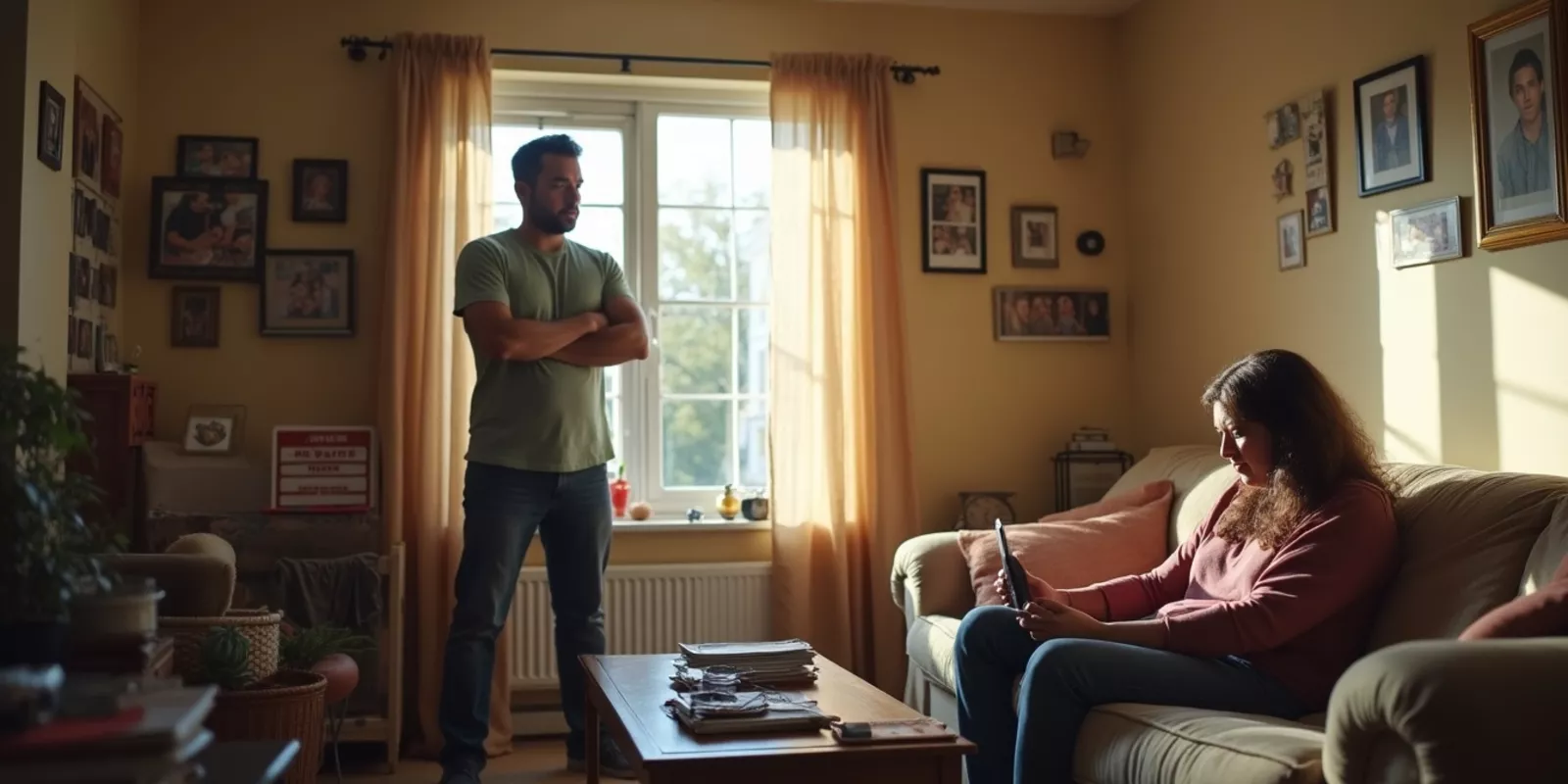
Selling a marital home during a divorce is rarely just a business transaction; it is often fraught with emotional tension and competing priorities. One of the most challenging obstacles I encounter when advising clients across South Florida is a common question: can a spouse block the listing or showing of a marital home in South Florida? While a non-cooperative spouse may try to delay the process, Florida law provides clear legal mechanisms to prevent one party from holding the property's equity hostage.
As a Global Real Estate Advisor with ONE Sotheby’s International Realty, I work closely with family law attorneys, mediators, and homeowners throughout Miami, Fort Lauderdale, and Palm Beach. My mission is to provide sophisticated real estate guidance that protects your property value, maintains market momentum, and ensures strict compliance with Florida court mandates.
Table of Contents
To understand whether a spouse can stop a home sale, it is essential to distinguish between property title deeds and Florida's marital property laws. Under Florida’s Equitable Distribution Statute (§ 61.075), real estate acquired during the marriage is generally classified as a marital asset regardless of whose name appears on the deed or mortgage.
Here is how property rights affect the listing process:
When a spouse is reluctant to sell—whether due to emotional attachment, housing uncertainty, or strategic leverage in divorce negotiations—they may employ subtle or direct tactics to disrupt the real estate process.
In my experience marketing luxury properties across South Florida, I frequently help clients navigate and resolve the following obstacles:
If your spouse refuses to cooperate with listing or showing the home, Florida family courts offer concrete legal remedies to ensure the property can be marketed and sold efficiently.
Your attorney can utilize the following judicial mechanisms to move the transaction forward:
To help you compare the paths available when facing an uncooperative spouse during a South Florida home sale, review the structured options below:
| Approach / Remedy | Process & Requirements | Primary Benefit / Impact |
|---|---|---|
| Stipulated Sale Agreement | Mediated agreement defining listing price, advisor selection, and showing schedules signed by both parties. | Avoids litigation costs, preserves home value, and ensures a smooth marketing period. |
| Motion for Interim Sale | Formal court motion requesting an immediate listing order based on financial necessity or equity preservation. | Provides legally binding court orders for showing access, price adjustments, and document execution. |
| Elisor Appointment | Court authorizes a designated official to execute contracts on behalf of a non-compliant spouse. | Completely bypasses a blocking spouse’s refusal to sign closing deeds or listing contracts. |
My Expert Advisor Tip: Establish a clear, detailed Showing Protocol and Marketing Addendum within your marital settlement or court order before the property goes live on the MLS. In my real estate practice representing divorcing clients across South Florida, vague agreements like "both parties will cooperate with showings" often fail. Specify exact showing windows (e.g., Tuesdays and Thursdays 10 AM–2 PM, Saturdays 1–4 PM), mandate the use of a secure electronic lockbox, and establish that the property must be vacant during buyer tours. Having explicit terms upfront eliminates daily friction and protects the home's marketability.
No. Unilaterally changing the locks on a marital home without a court order granting exclusive use and possession is improper. If one spouse locks out the other or blocks potential buyers and agents, the court can issue sanctions and compel immediate access for real estate showings.
If a spouse intentionally damages the residence or sabotages buyer showings, your attorney can present evidence (such as agent feedback logs, photo evidence, or canceled appointments) to the judge. The court may hold the offending spouse financially accountable by deducting the lost value or repair costs directly from their share of final sale proceeds.
Yes. A Florida family court judge can order periodic price reductions based on market feedback and local real estate recommendations. The court order can stipulate automatic price reductions (e.g., 3% or 5% every 30 days) if the property does not receive acceptable offers within a defined timeframe.
Navigating the sale of a marital property under challenging conditions requires absolute neutrality, market precision, and strategic discretion. Whether your property is a luxury home in Palm Beach, a waterfront residence in Fort Lauderdale, or a high-rise residence in Miami, my role as your Global Real Estate Advisor at ONE Sotheby’s International Realty is to safeguard your financial equity and achieve a successful outcome.
Contact me today to schedule a confidential consultation to review your property's value and build a structured path toward a successful sale.
Questions? Chat with me on WhatsApp!

Welcome to Your South Florida Real Estate Advantage
Hector Zapata is a South Florida real estate advisor with ONE Sotheby’s International Realty, specializing in new construction, golf communities in South Florida, and divorce real estate. Based in Fort Lauderdale, he serves discerning buyers and sellers throughout Broward County and surrounding South Florida markets.
With a background in engineering, Hector brings a structured and analytical approach to real estate. Every pricing recommendation, negotiation strategy, and property evaluation is grounded in data and careful preparation. His clients value clarity, discretion, and a process that replaces uncertainty with informed decision-making.
His work is centered around three areas of focus: New Construction, South Florida Golf Communities, and Divorce Real Estate
A luxury homeowner looking to sell with maximum return,
An international buyer or investor exploring South Florida's vibrant opportunities,
A family relocating for a new chapter,
Or navigating the emotional journey of divorce or transition...
...I offer a level of service that goes beyond real estate. I serve as your trusted advocate, confidant, and expert guide.
Honesty. Courage. Precision. Respect. Discipline. These values define how I work, how I treat others, and how I achieve results.
Even though I no longer compete professionally, I continue to share my passion for golf by volunteering with The First Tee program, where I teach Veterans and children the values and joy of the game.
Whether you’re looking to buy, sell, or invest in South Florida, I invite you to connect with me. Let’s discuss your goals, craft a strategy, and make your real estate journey a winning one.
What expenses or repairs should you invest in (or avoid) when preparing a marital home for sale in Florida, USA?
Preparing a marital home for sale in Florida involves strategic investments in essential repairs and smart upgrades while avoiding common pitfalls. By focusing on key areas like kitchens, bathrooms, and curb appeal, you can enhance your home's value and attract buyers.
How Divorce Affects Credit and Homeownership: Understanding the Financial Impact
Divorce can significantly impact your credit and homeownership. This article provides essential information on navigating the financial aspects of divorce in Florida, including property division, credit scores, and selling your home.
Cohabitation and Property Rights After a Breakup
Navigating property rights after a breakup can be complex, especially in cohabiting relationships. This article explores legal considerations, real-life case studies, and options for claiming ownership in South Florida, emphasizing the importance of documentation and agreements.